
Why outdoor spaces in Toronto fail
Outdoor spaces in Toronto fail in a predictable sequence and for predictable reasons, which means they are also predictably preventable, and yet the prevention happens infrequently enough that the remediation business is steady.
The furniture was chosen for how it looked in a showroom or a photograph. It was not specified for the freeze-thaw cycle, the UV exposure, the extended winter storage. By year three it looks like it has been outside for twenty years, which it has, in terms of what Canadian seasons do to outdoor materials that were not designed for them.
The planting was dense and full at installation and reduced significantly by August because irrigation was not in the scope. Irrigation feels like a back-end decision. It is a front-end decision. A planting plan that does not include an irrigation strategy is a planting plan for the first season.
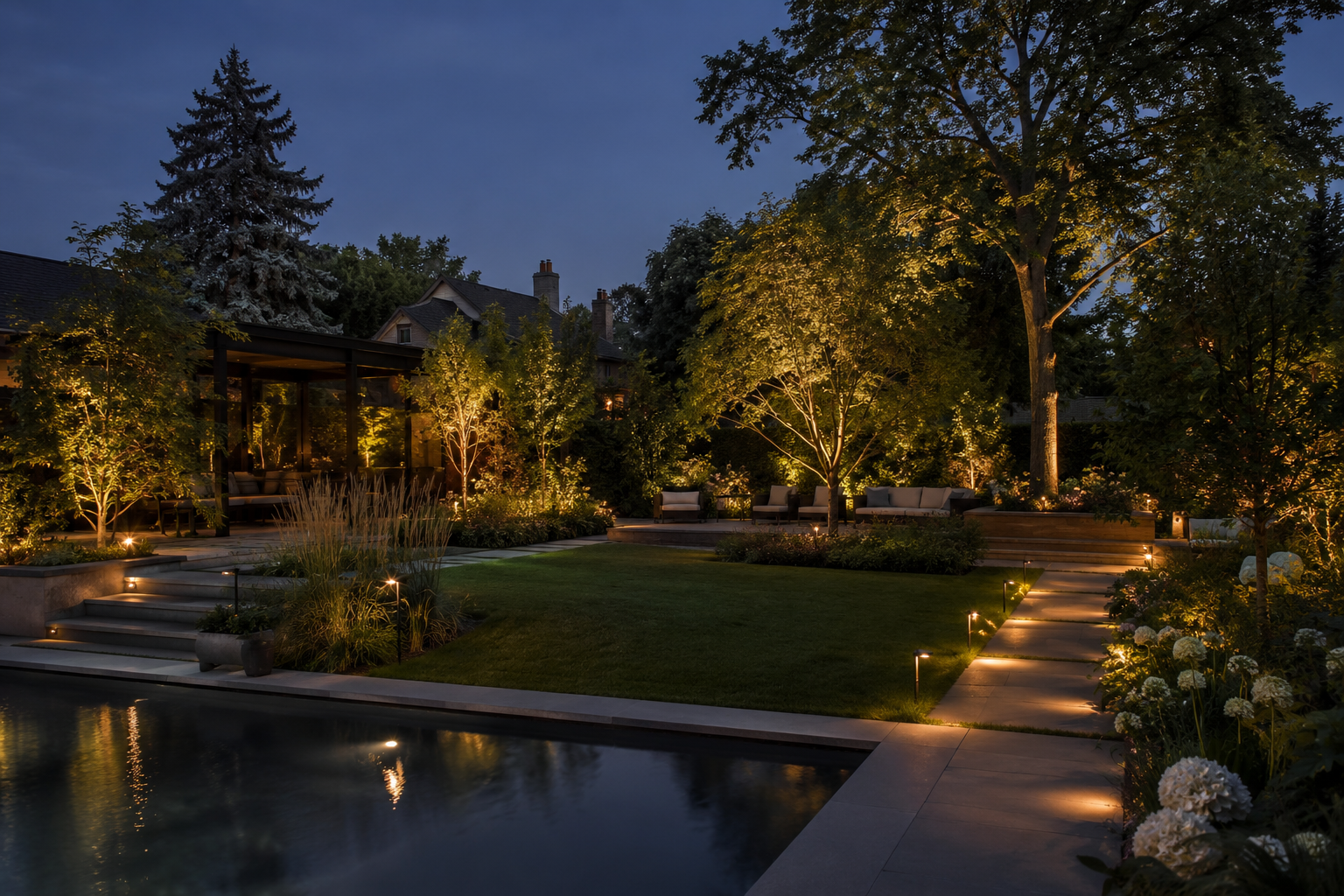
The lighting was added at the end, after the budget conversation had happened and most decisions had already been made. The fixtures are functional, which means they illuminate the perimeter and create a zone that is either too bright for dining or too dark for anything else, depending on where the client is standing. A designed lighting plan that considers where the space is used, at what time, by how many people, in relation to the interior lighting it is visible alongside is not a luxury addition. It is the difference between a space that works at night and one that requires you to choose between seeing out and being comfortable inside.
The privacy solution is the wrong height because it was specified from the exterior without measuring the actual sightlines. Someone looked at the neighbour's fence and the upper window and estimated. The estimate missed by enough to matter.
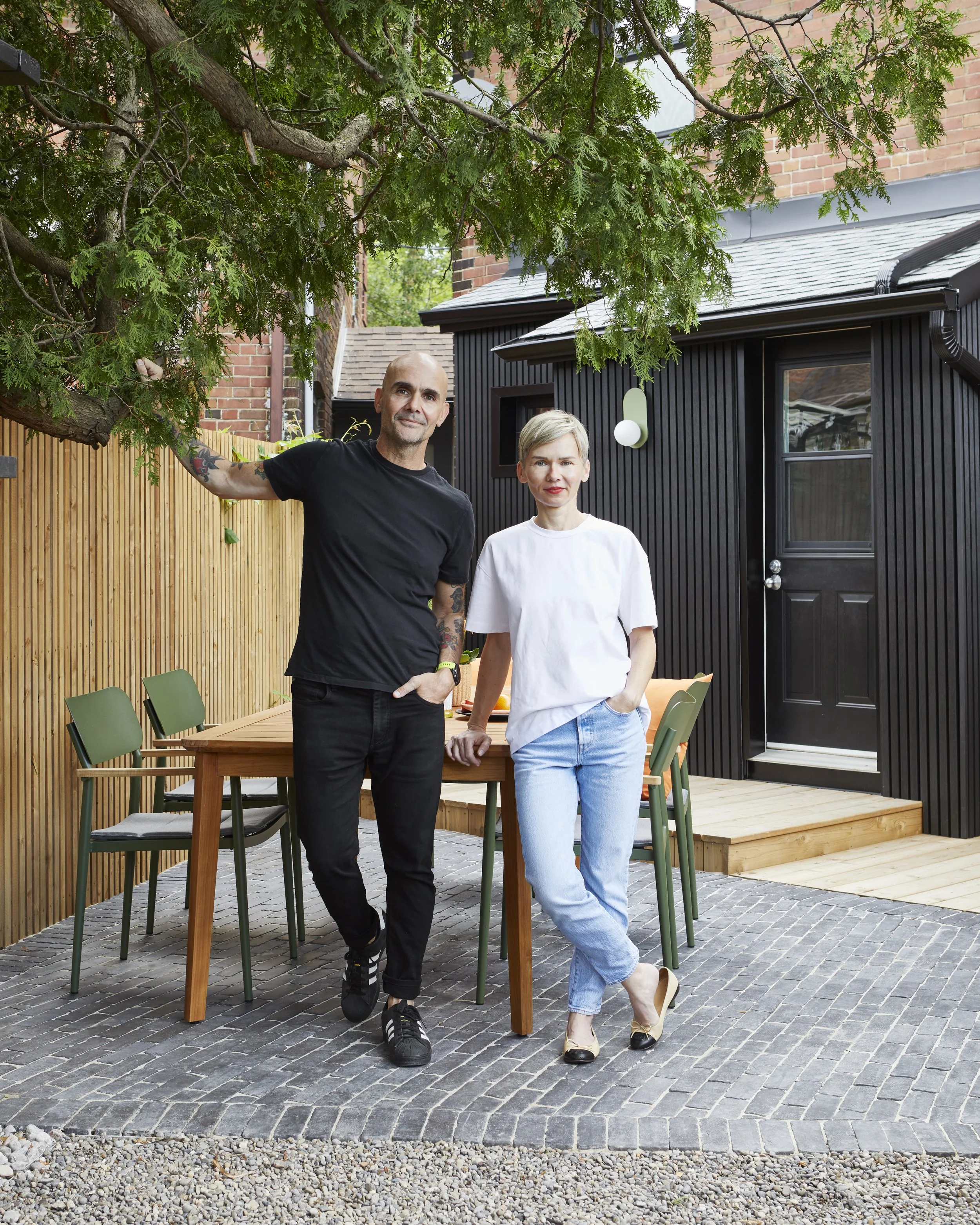
What connects all of these is that they are scope failures rather than design failures. Irrigation, material specification for Canadian climate performance, lighting design, and sightline measurement from the interior are all decisions that belong in the initial brief, not as corrections after the first season. Toronto landscape design done at that level of specificity from the beginning produces spaces that perform. The plants come after. They are the last layer of a space that was already designed, not the primary design decision.
Studio 1NINE1 works across interior and landscape design in Toronto. The starting point for outdoor scope is the same Design Direction Session we use for interiors — because the questions are the same. How is this space used, by whom, at what time, in relation to what is visible from inside the house.