
The Renovation You Do Once
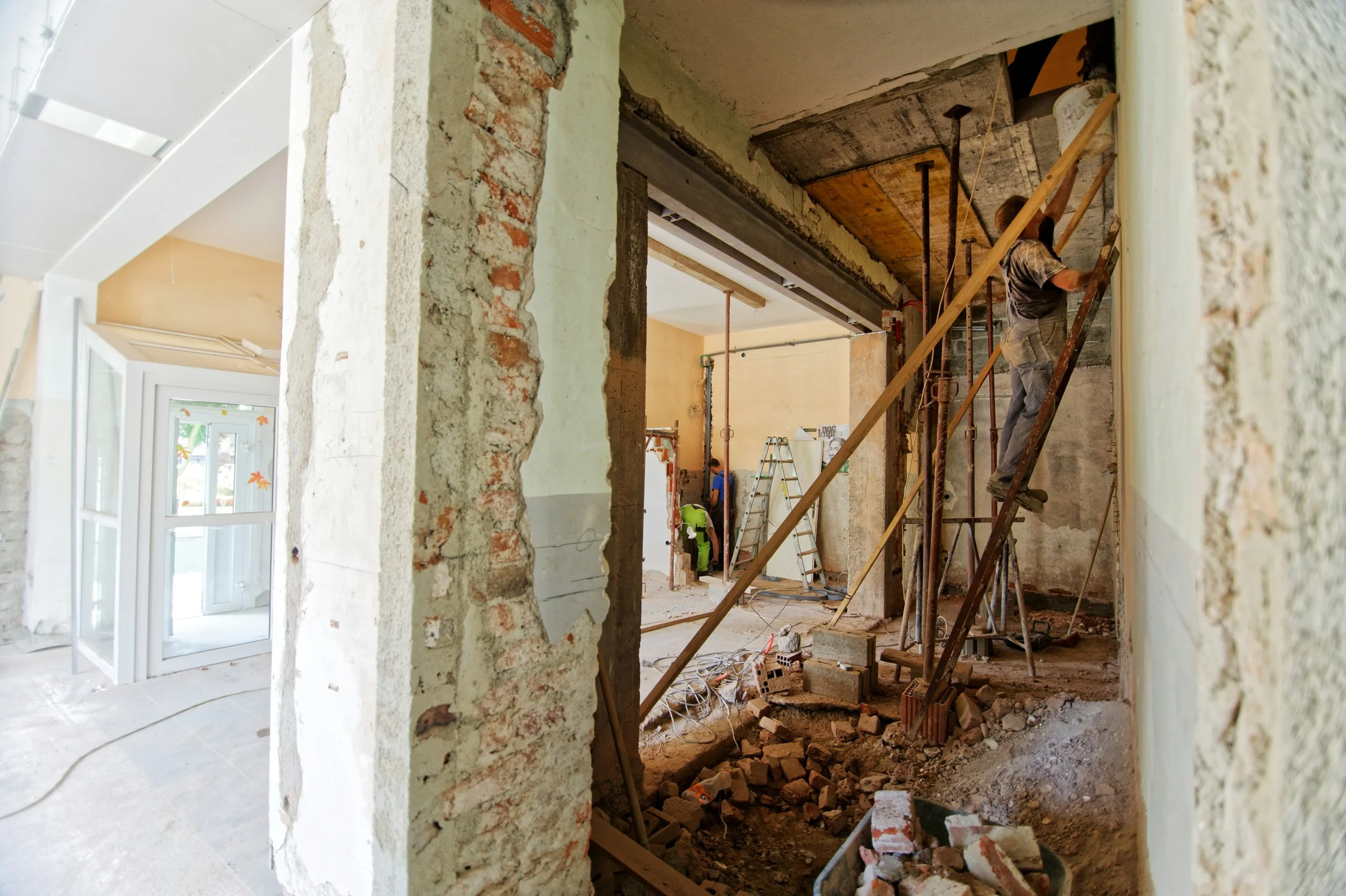
Most people renovate a house seriously once. There may be a bathroom refresh before it, a coat of paint after, a new sofa every so often, but the large project, the one that moves walls and replaces kitchens and reorganizes how the house works, tends to happen a single time in the years a family lives somewhere. We think that fact deserves more attention than it gets, because it changes how every decision in the project should be weighed.
When something happens once, its consequences are long. The kitchen you design this year is the kitchen you will cook in for perhaps fifteen or twenty years. The layout that seemed acceptable on a drawing becomes the shape of thousands of ordinary mornings. A compromise made to save time in a selection meeting stays visible long after anyone remembers why it was made.
This is why we find it useful to think about a renovation over the length of time you will live with it rather than as a single expense. Take an illustrative example. Suppose a design fee represents some meaningful sum, enough that it gives you pause. Spread that sum across fifteen years in the house, and then across the days in those years, and the daily figure becomes very small. Now set it beside the alternative, a house that works a little less well than it could, every single day of those same fifteen years. The fee is a cost you pay once. A mediocre result is a cost you keep paying, in rooms that never quite feel right, in renovating again sooner than planned, and in the slow erosion of pleasure in your own home.
We offer that arithmetic gently, because money is personal and every household weighs it differently. Our point is about how to look at the decision; how much to spend is yours to judge.
Thinking in years also changes which questions come first. Before anyone discusses tile, it helps to sit with a few questions about the life the house is meant to hold.
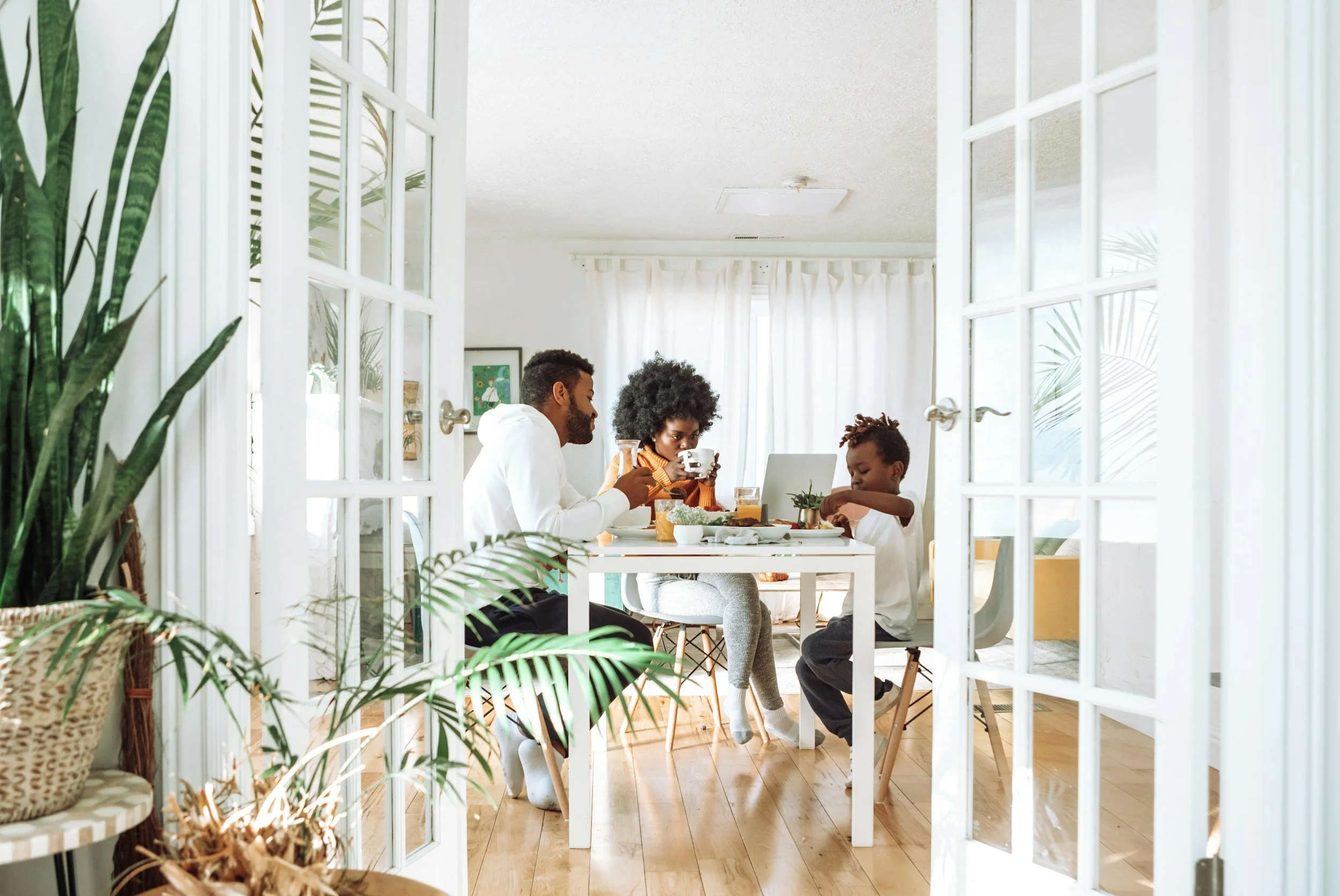
The first is how you actually live, as opposed to how you imagine you might. Where do people gather, where does the mail pile up, who cooks and who keeps them company while they do? A house designed for an idealized version of a family serves no one well.
The second is what will change over the time you live there. Children grow and leave, parents may come to stay, work may move in or out of the home. The best layouts accommodate more than one stage of life without a second major renovation.

The third is what you want to feel when you come home. This sounds soft, and it is the question people answer most precisely when given space to think about it. Calm, warmth, openness, enclosure, light: the answer becomes a test every later decision can be measured against.
None of these questions needs a designer to begin. They do benefit from being asked early, before a builder's drawing sets the plan in place and the conversation narrows to finishes.
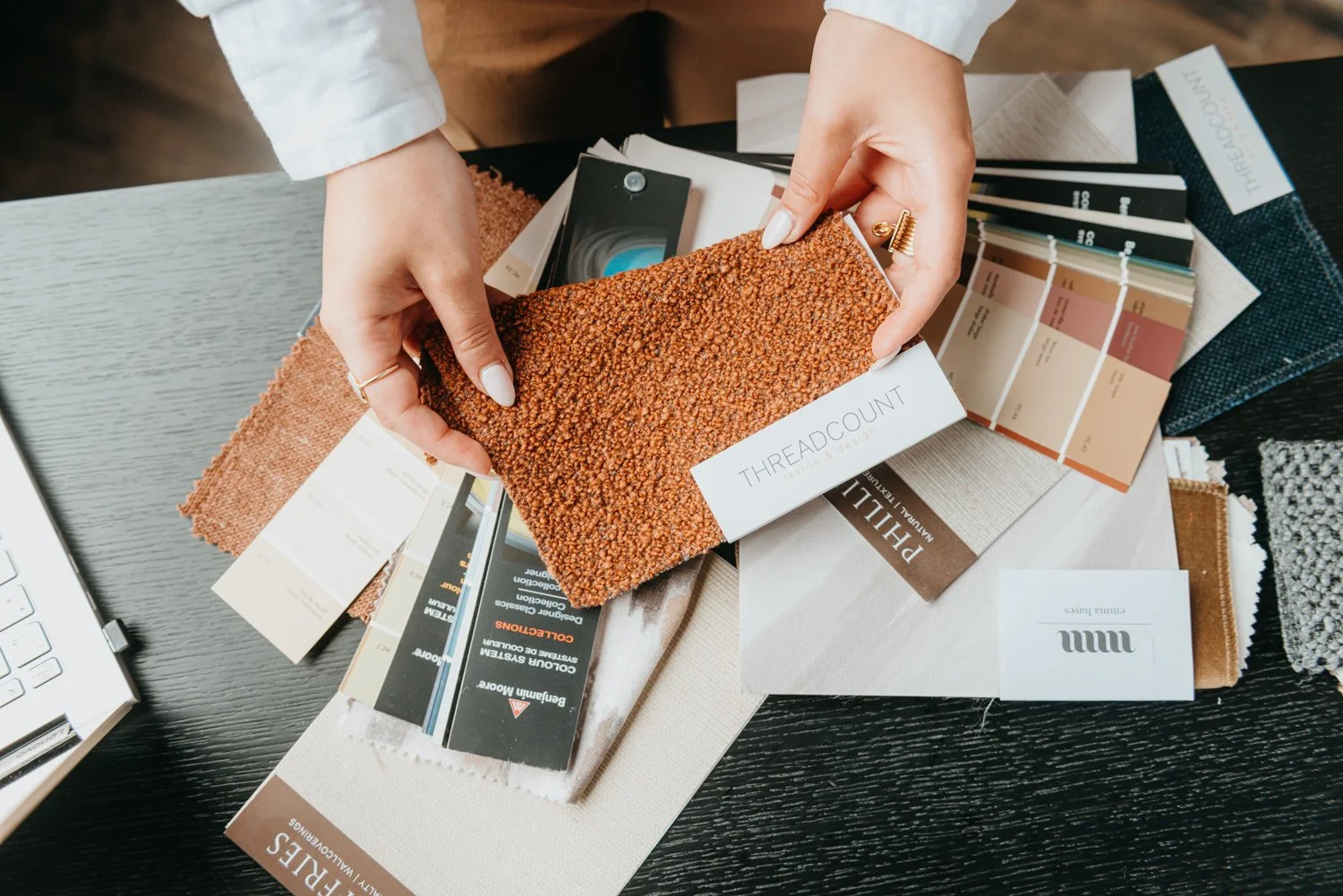
If you are early in thinking about a project, our Concept-to-Plan service is designed for this stage: studying the layout and direction of the house before detailed design and construction, so that the one renovation you do is built around the life you will be living in it.