
The Intelligent Home Is Becoming More Human
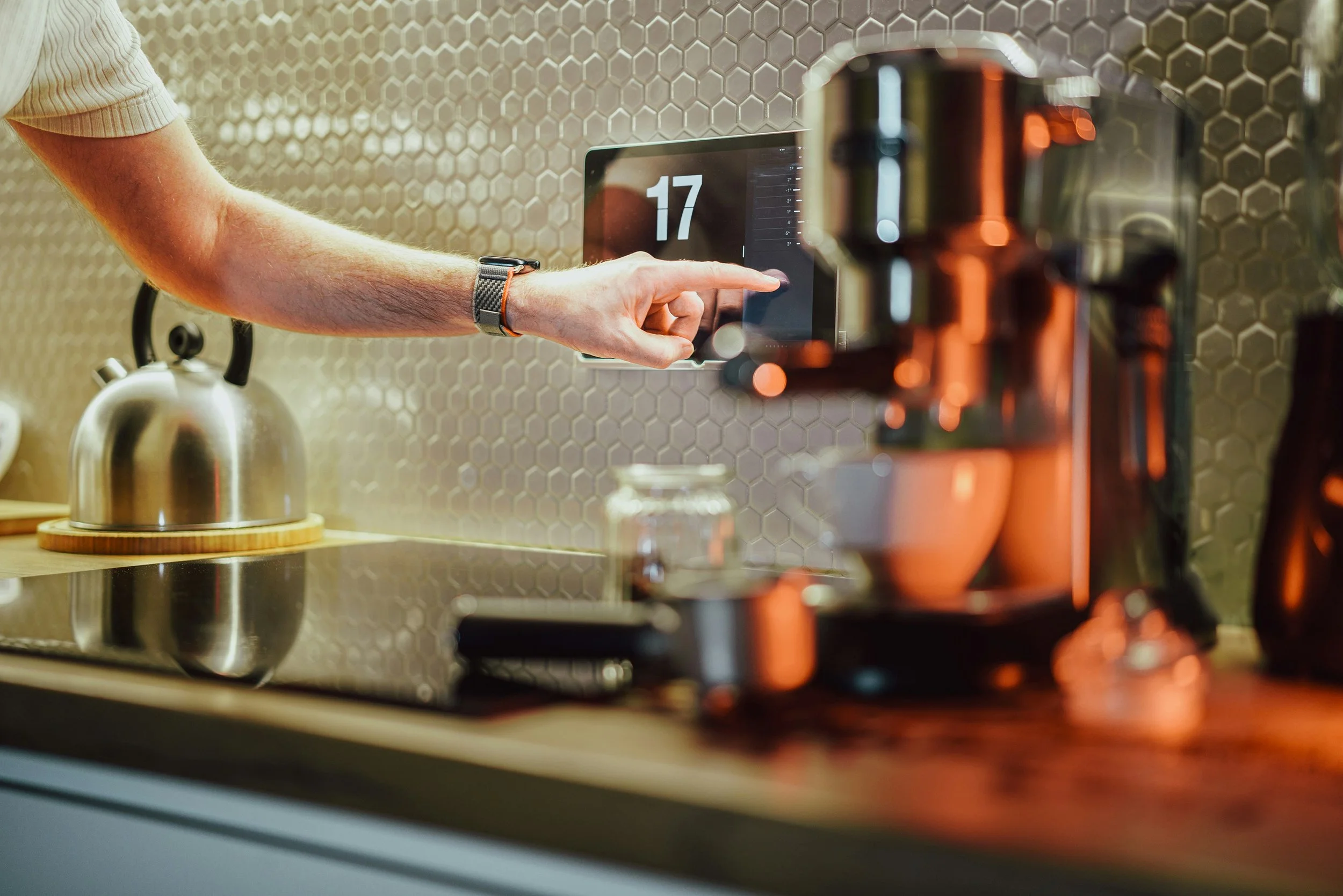
Why luxury smart home design is shifting toward wellness, recovery, and restraint
For a while, smart homes behaved like overfunded tech demos.
Refrigerators delivered weather updates nobody requested. Entire homes glowed electric blue at midnight. Voice assistants interrupted dinner conversations with the confidence of a junior executive who had just discovered productivity podcasts.
Most of it solved nothing.
The issue was never technology itself. The issue was that technology entered residential design through novelty rather than through architecture.
Now the mood is changing.
The most sophisticated homes being designed today are becoming quieter, more intentional, and psychologically aware. The future of luxury smart home design is no longer about showing people what technology can do. It is about removing friction from everyday life.
That distinction matters.
The best contemporary homes do not feel technological.
They feel easy.
Lighting adjusts gradually instead of aggressively. Temperatures remain stable without constant intervention. Window coverings respond to solar conditions naturally. Audio disappears into the architecture. Bedrooms support recovery rather than stimulation.
Increasingly, clients are less interested in gadgetry and more interested in how a home affects their nervous system.
That is where intelligent residential design is heading next.
Circadian lighting is changing how designers approach the modern home
Lighting is perhaps the clearest example of this evolution.
For years, residential lighting systems often prioritized spectacle over atmosphere. Entire homes became trapped in permanent “entertainment mode,” with oversaturated LED scenes that resembled hospitality projects designed by nightclub consultants.
Today, the conversation is becoming more biological.
Many homeowners are now interested in circadian lighting systems that support focus during the day and recovery at night. Cooler light temperatures in work-oriented spaces during morning hours. Warmer, dimmer transitions in the evening. Minimal nighttime lighting that preserves sleep rhythms instead of jolting the body awake during a 2 a.m. walk to the kitchen.
Good lighting design is increasingly tied to wellness.
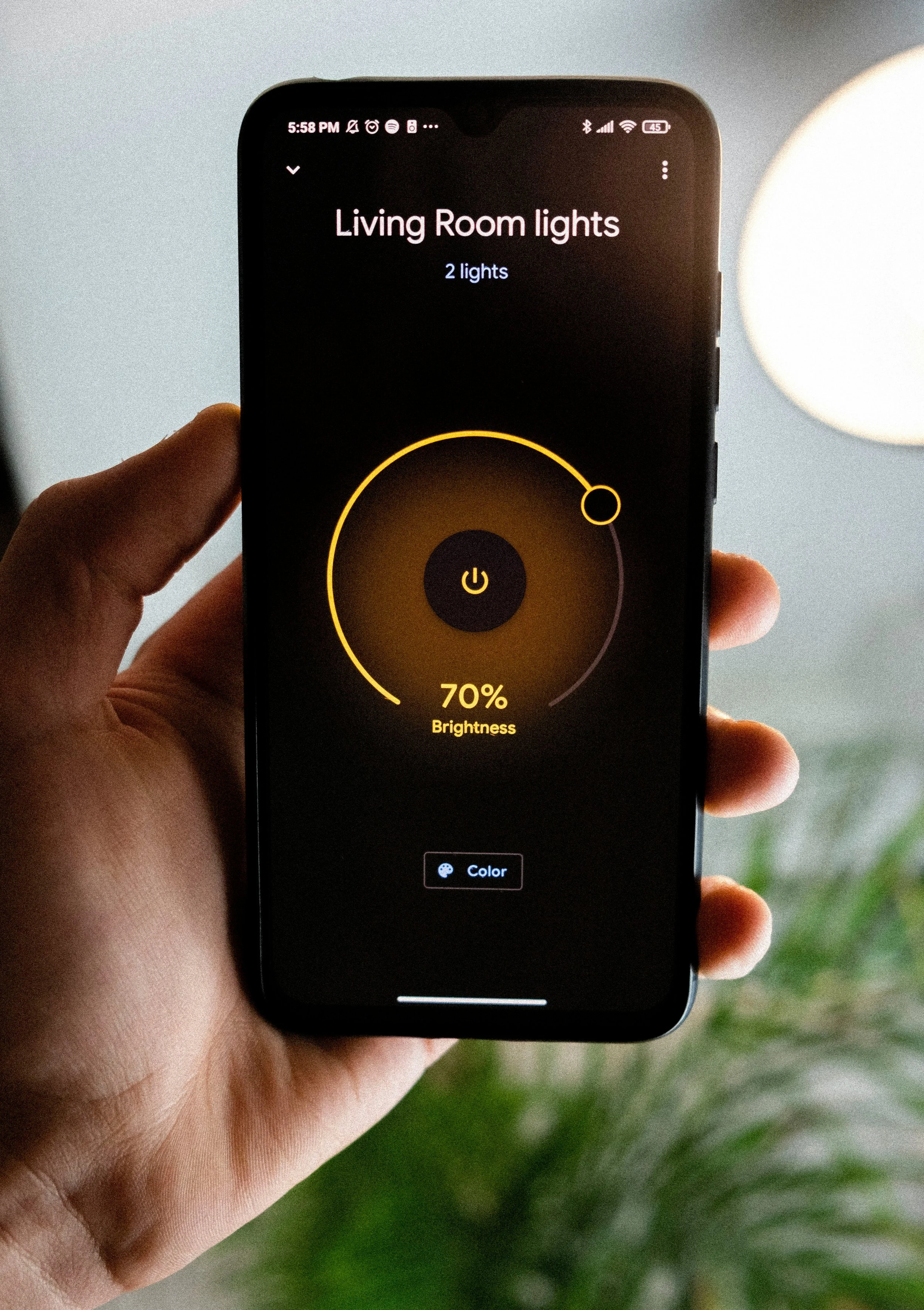
This is also influencing fixture selection itself.
The market spent years obsessing over statement lighting as visual punctuation. Decorative fixtures still matter, but increasingly we are more interested in how light behaves across materials than how the fixture photographs online.
Soft illumination across plaster walls.
Low grazing light on textured stone.
Architectural lighting concealed within millwork.
Subtle transitions between rooms.
The smartest lighting system in the world still fails if the atmosphere feels clinical.
Luxury interior design is becoming more focused on environmental performance
Climate systems are evolving similarly.
For decades, residential HVAC discussions centered almost entirely around temperature control. The contemporary homeowner is becoming more educated about air quality, humidity balance, filtration, and acoustics.
The luxury conversation is quietly shifting away from visible status toward environmental performance.
Clients who once asked primarily about appliance brands are now asking questions about sleep quality, recovery, and sensory comfort.
Bedrooms, in particular, are changing dramatically.
The best luxury bedroom design today prioritizes darkness, silence, thermal stability, layered texture, and calm. We are designing bedrooms less like decorative showpieces and more like recovery environments.
That would have sounded excessive ten years ago.
Now it feels inevitable.
The future kitchen is less performative and more functional
Kitchens are evolving too.
The hyper-minimal “show kitchen” era is beginning to fracture under the weight of actual use. Real cooks accumulate equipment, ingredients, coffee systems, fermentation projects, oils, knives, cutting boards, prep containers, and highly specific rituals.
The most intelligent kitchen design today acknowledges this honestly.
Instead of pretending domestic life is frictionless, better kitchens create layers of containment and flexibility.
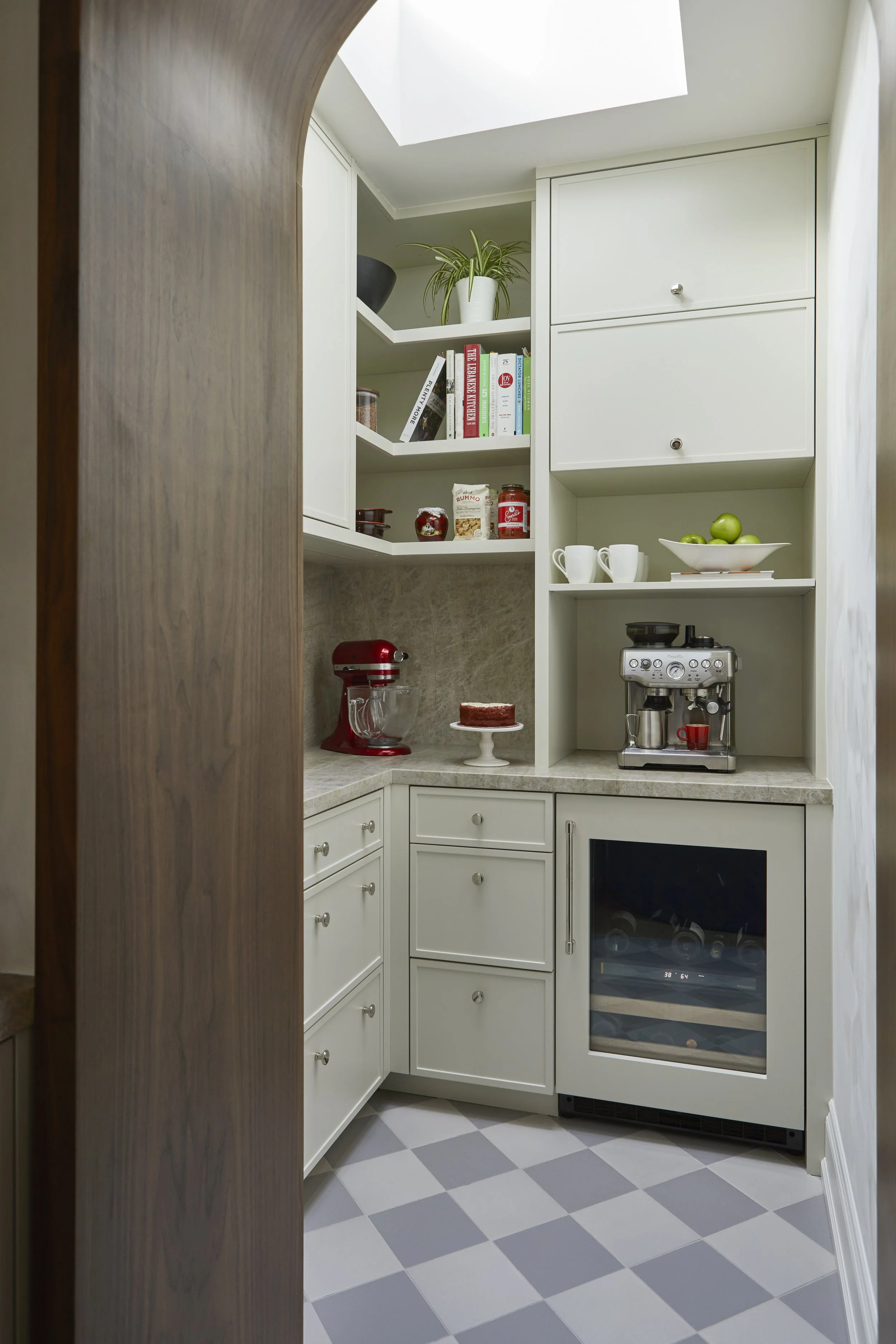
photo: valerie wilcox
Appliance garages.
Secondary prep zones.
Integrated utility storage.
Concealed pantry systems.
Flexible work surfaces.
The objective is not sterility.
It is controlled complexity.
That distinction separates sophisticated residential design from trend-driven design.
Why tactile materials matter more in smart homes
There is another interesting shift happening simultaneously.
People are becoming exhausted by touchscreens.
Daily life already requires constant interaction with software. The home increasingly needs to provide relief from digital fatigue rather than extending it.
As a result, tactile design elements are becoming more important.
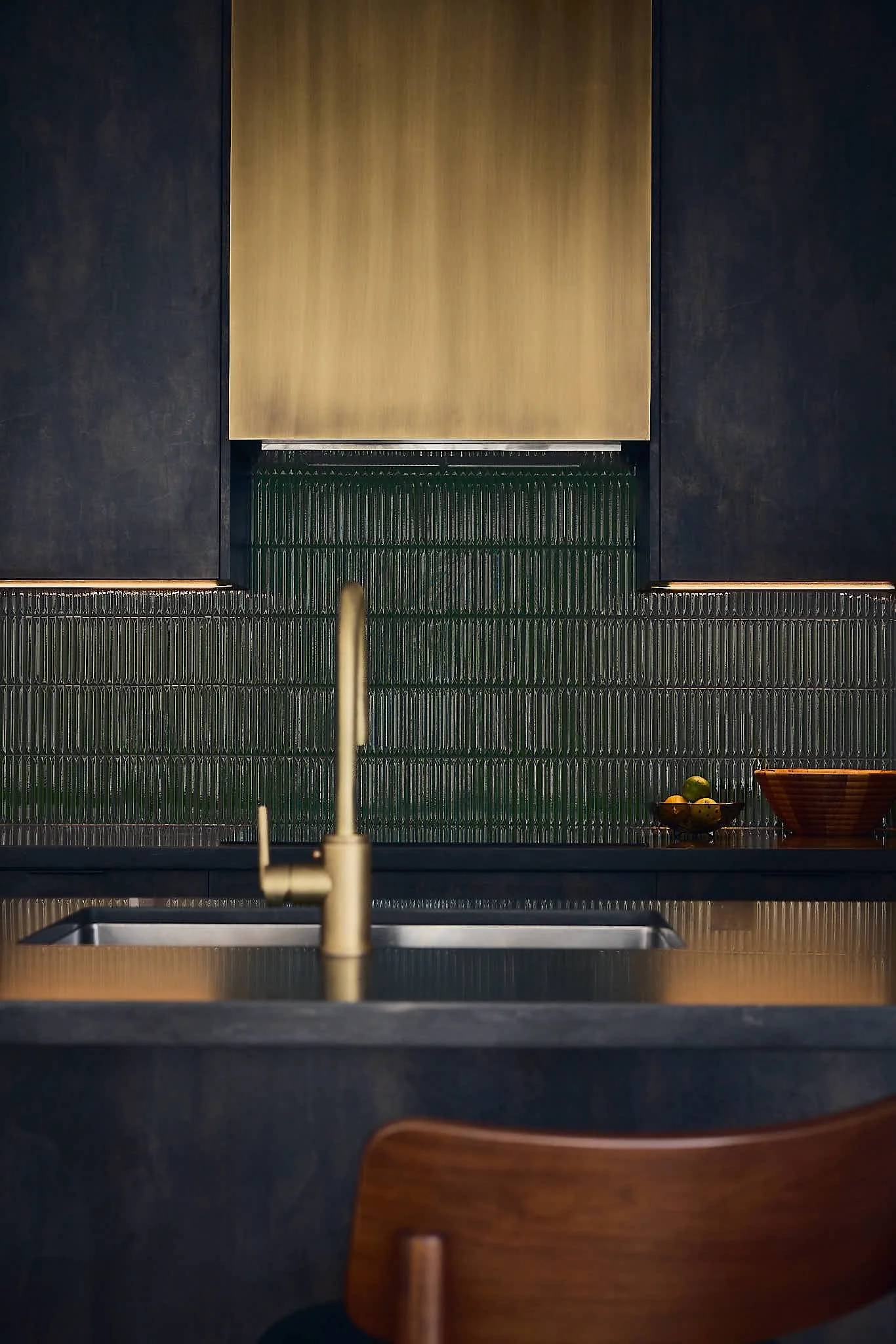
photo: walker jordan
Weighted bronze hardware.
Proper dimmer switches.
Solid wood drawer fronts.
Linen drapery with density.
Natural stone surfaces that develop character over time.
These details communicate permanence in a culture increasingly mediated through glass screens and software updates.
Ironically, the more technologically advanced homes become, the more material honesty matters.
Smart home trends in Toronto and beyond are moving toward invisible systems
In cities like Toronto,Ontario, Canada, where homes increasingly function as workplaces, recovery spaces, entertainment environments, and private refuges simultaneously, the pressure on residential design has intensified.
People are asking more from their homes than ever before.
The strongest smart homes being designed today understand this.
They use technology strategically rather than emotionally.
They prioritize atmosphere over novelty.
They support concentration, sleep, conversation, cooking, gathering, and decompression.
Most importantly, they still function beautifully as architecture.
Because technology alone cannot compensate for poor spatial planning, weak natural light, bad acoustics, or cheap materials.
You cannot automate your way out of bad design.
The homes that will age best over the next decade are unlikely to be the ones with the most visible technology.
They will be the ones that integrate intelligence quietly.
The ones that feel calm.
The ones that reduce friction.
The ones that support better living conditions without demanding constant attention.
That is the future of luxury interior design.
Not louder technology.
More human environments.