
The Outdoor Room Has Replaced the Backyard
Why luxury landscape design is becoming more psychological, functional, and climate aware
The backyard used to be treated as leftover space.
A grill. A patch of lawn. A few folding chairs deteriorating beside a fence line.
Then modern life changed.
Homes became more expensive. Cities became louder. Work invaded domestic space. Screen time exploded. People began spending extraordinary amounts of time indoors while simultaneously becoming obsessed with wellness.
As a result, outdoor living is no longer decorative excess.
It is psychological infrastructure.
This shift is fundamentally changing the direction of luxury landscape design.
The best outdoor spaces today are not simply designed to look beautiful from inside the house.
They are designed to be used.
Modern outdoor spaces now function like real rooms
For years, many residential landscapes operated more like staged photography sets than functioning environments.
Beautiful in listing photos.
Awkward in reality.
Tiny seating groups floating in oversized patios. Outdoor kitchens nobody cooked in. Fire features positioned directly into prevailing wind conditions with astonishing confidence.
Today, the strongest outdoor spaces behave like actual rooms.
They support rituals.
Morning coffee.
Late afternoon decompression.
Long dinners.
Reading.
Cooking.
Children moving through layered zones.
Quiet work sessions.
Cold weather gathering.
The contemporary landscape is increasingly about extending daily life outward rather than decorating perimeter square footage.
This evolution is especially visible in urban environments like Toronto,Ontario, Canada, where every usable square foot matters.
A well-designed city backyard now functions less like a yard and more like an outdoor apartment integrated into the architecture of the home.er
Outdoor living trends are moving away from synthetic perfection
This shift is also changing how landscape designers approach materials.
The obsession with “maintenance free” everything created years of visually lifeless exterior spaces. Plastic-looking composites. Artificial textures. Thin veneers imitating natural materials badly.
The problem is that people instinctively respond to authenticity.
Natural stone develops character.
Cedar silvers over time.
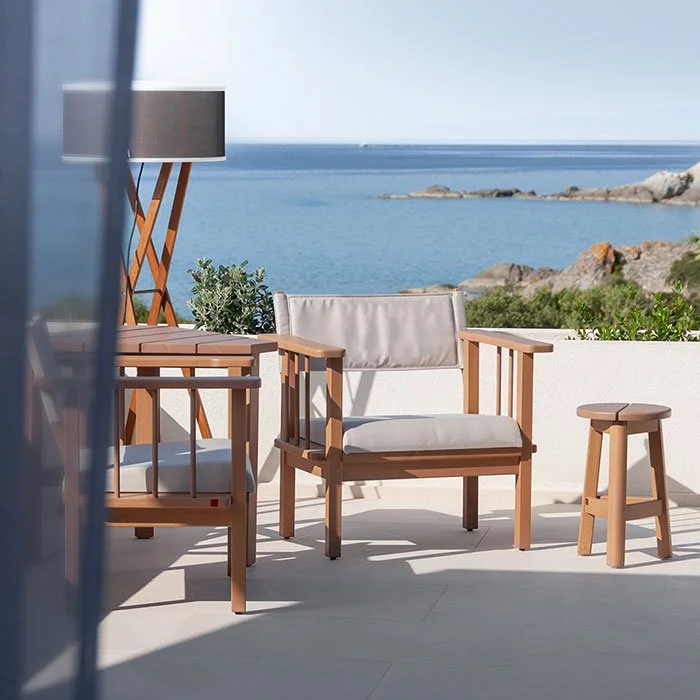
Proper metals acquire patina.
Real materials evolve through weather exposure and use.
Synthetic environments often remain visually frozen while simultaneously becoming emotionally flat.
The strongest outdoor spaces today embrace weathering rather than fearing it.
That requires confidence.
Many homeowners still approach their property like a showroom rather than a living environment. But the most compelling landscapes often become more beautiful through occupation and age.
Worn limestone edges.
Mature planting.
Timber softening through climate exposure.
Outdoor fixtures developing texture over time.
These conditions create atmosphere that cannot be manufactured instantly.
Contemporary landscape design is becoming more ecological
Planting design is evolving too.
For decades, North American landscaping often reflected an anxious attempt to control nature into submission. Tight shrub rows. Decorative mulch deserts. Small ornamental plants trapped against foundations.
Increasingly, homeowners are becoming more interested in landscapes that feel ecologically alive.
Not chaotic.
Alive.
There is a major difference.
The best contemporary landscape design balances architectural structure with natural looseness.
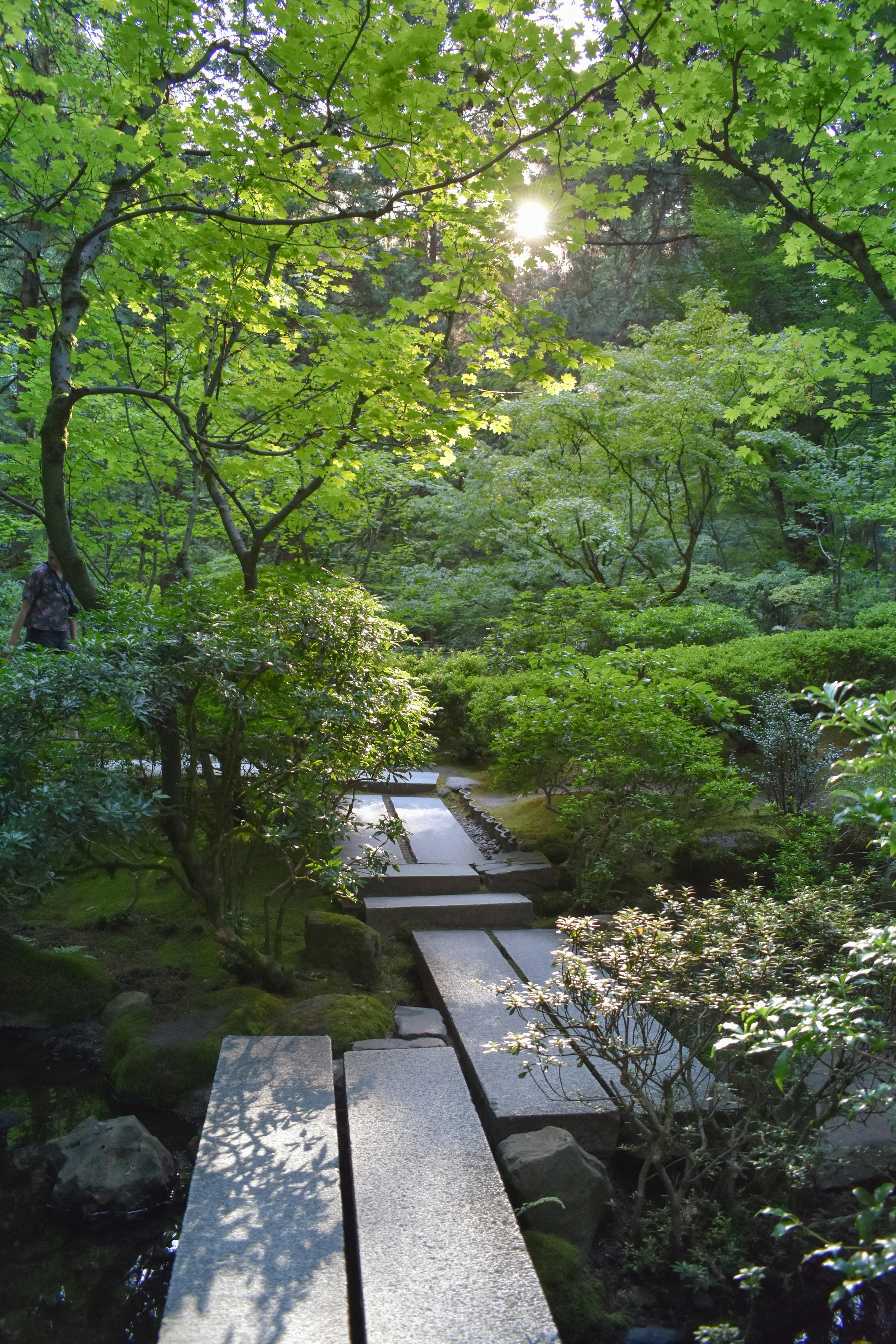
Grasses moving against stone.
Layered canopy conditions.
Pollinator planting integrated into modern geometry.
Seasonal variation.
Shifting shadow patterns.
People are craving sensory richness again.
Movement.
Texture.
Sound.
Shade.
Seasonality.
This is partly a reaction against digital life.
The body experiences outdoor environments differently than interior ones. Wind changes attention. Fire slows conversation. Trees absorb sound. Natural light recalibrates circadian rhythm.
Landscape architecture is not cosmetic.
It directly affects mental recovery.
Outdoor kitchens and live-fire cooking are changing residential design
One of the clearest examples of this shift is outdoor cooking.
Not because outdoor kitchens are trendy.
Because they alter behavior.
People gather differently around live fire. Preparation becomes visible. Guests participate more naturally. Conversations last longer.
The cook stops disappearing into an isolated interior kitchen.
This is why wood-fired ovens, integrated grilling systems, adaptable prep areas, and layered exterior dining zones are increasingly shaping modern outdoor design.
Good design is rarely just about aesthetics.
It is about behavior.
The best landscape design acknowledges climate honestly
One of the biggest mistakes in outdoor design is pretending every city behaves like southern California.
A serious Canadian outdoor environment must account for rain, snow, wind direction, drainage, storage realities, and cold-weather use.
This means covered zones matter more.
Heating matters more.
Drainage matters more.
Material slip resistance matters more.
Lighting matters more during winter darkness.
The difference between a beautiful landscape and a heavily used landscape is often solved through deeply unglamorous technical decisions.
Where water goes.
Where snow accumulates.
Where wind accelerates.
How furniture is stored.
How surfaces age.
Good landscape design is choreography disguised as ease.
Privacy in modern landscape architecture is becoming more psychological
Privacy is evolving too.
Not in the old suburban sense of building fortress walls around properties, but in creating psychological shelter from visual noise.
People increasingly want refuge.
A carefully designed urban courtyard with layered planting, textured walls, filtered light, and restrained materials can feel dramatically more restorative than an oversized suburban lawn.
Scale is not the point.
Atmosphere is.
That is why some of the most compelling outdoor living spaces today are relatively compact.
They are intentional.
Specific.
Edited.
They understand proportion, movement, sensory balance, and how people actually live.
The future of luxury landscape design will not revolve around excess.
It will revolve around usefulness, restoration, and environmental intelligence.
The outdoor room is no longer secondary architecture.
For many people, it is becoming the most important room in the house.