
The renovation that goes wrong before it starts
Most Toronto renovation projects that fail do not fail on site. They fail in the planning phase, which most clients do not think of as a phase at all. The planning phase is the period between deciding to renovate and signing a contractor, and the things that go wrong in it tend not to become visible until construction is well underway and someone is explaining why the quote just increased.
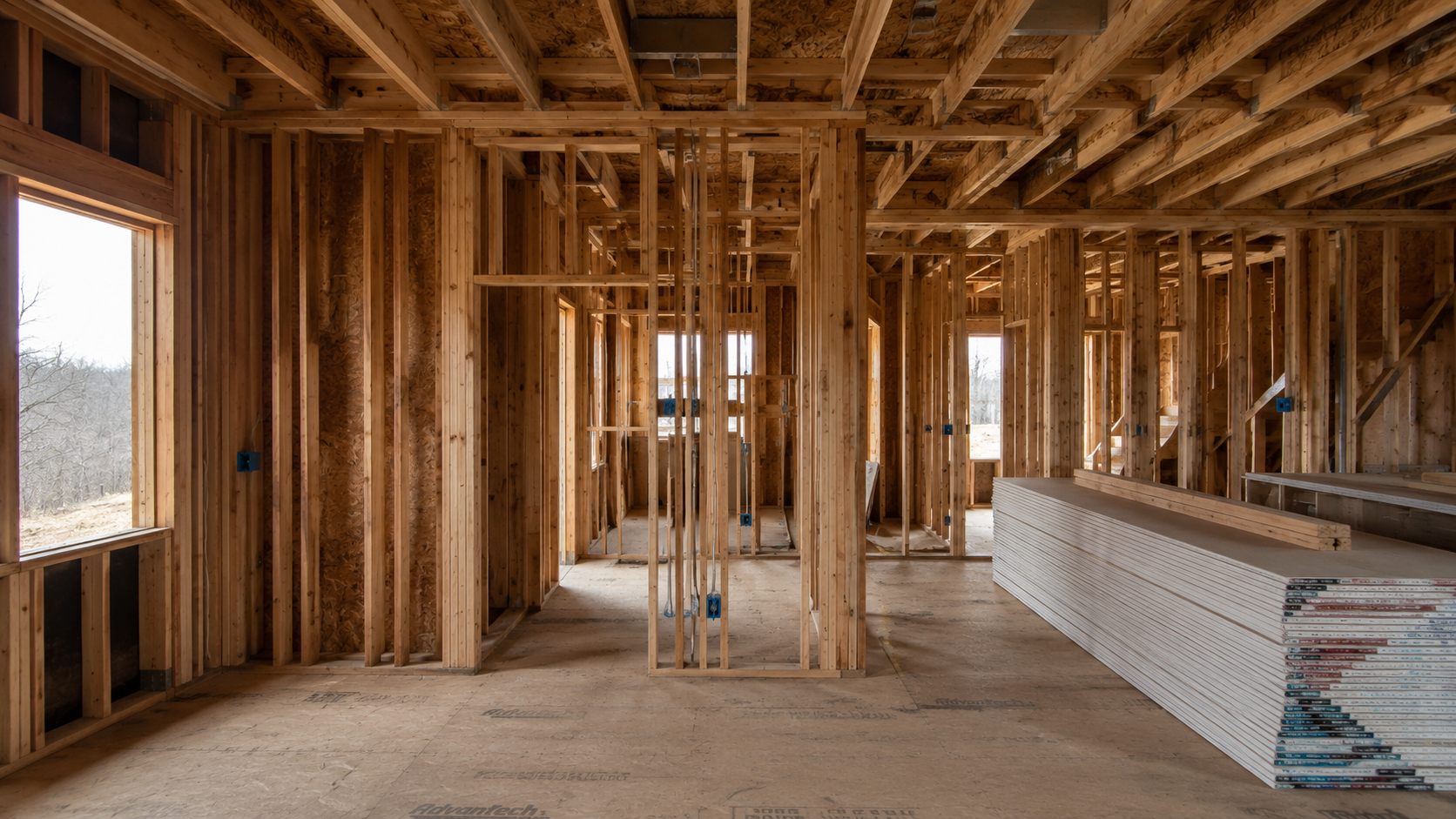
The sequence is consistent enough to describe. The client has a general idea of what they want. They get two or three contractor quotes. The quotes come back at different numbers, (sometimes very different numbers), because each contractor interpreted the general idea differently and filled the specification gaps with different assumptions. The client picks the lowest number. The lowest number is lowest for a reason.
That reason surfaces as change orders. The tile was not specified, so the allowance in the quote was for standard porcelain and the client wants something else. The fixture was not selected, so the plumber priced a builder-grade fitting and the actual fitting costs three times that and requires a different rough-in. The scope was described as 'gut the bathroom and redo it' without defining what 'redo' meant in material terms, so the contractor priced their interpretation of it and the client had a different interpretation, and neither interpretation was wrong because neither was specific.
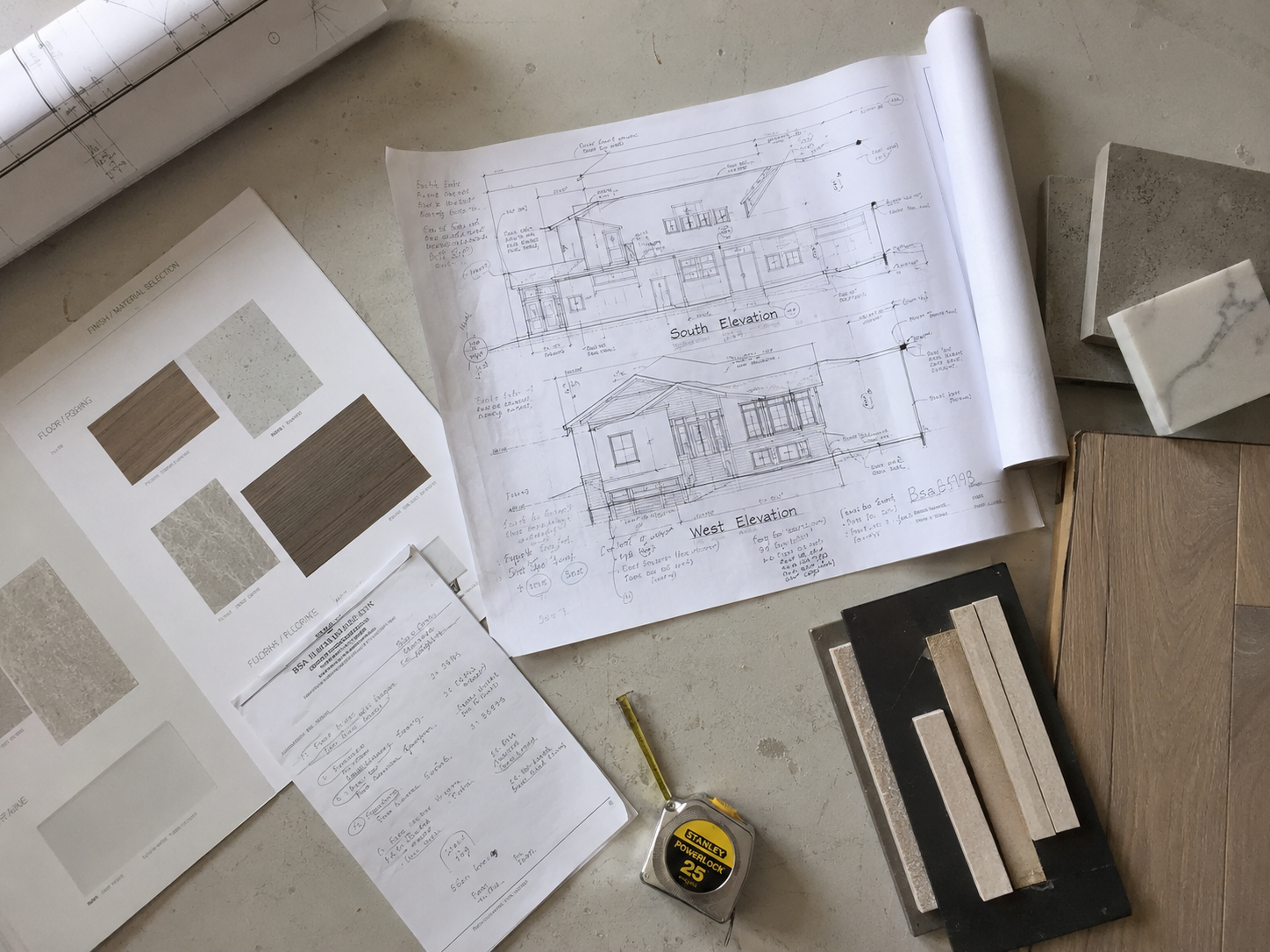
The renovation that runs smoothly is not necessarily more creative or better designed. It is better defined. The scope is specific enough that two contractors pricing it are pricing the same thing. The material selections are made before construction starts, not during it, because changing a material selection after demolition has begun costs the disruption to the schedule plus the waste of whatever work was done based on the previous selection. The decisions that need to be made in a specific sequence such as structural before mechanical, mechanical before finishes, these are understood before anyone is on site waiting for them.
We built the Design Direction Session to do that work at the front end. Three hours, a written brief, a budget conversation mapped against what the stated scope actually costs in the current Toronto market. The brief describes the scope specifically enough that a builder can price it accurately. It describes the material direction with enough precision that procurement conversations are possible. It describes the sequencing logic so the client understands which decisions need to happen in what order.
The DDS fee credits against the project retainer if the client proceeds with a full engagement. If they do not, they have a brief that is worth something on its own, either as documentation for a contractor tender or as the basis for a second opinion. The clients who start with a clear brief consistently have a different experience of the renovation than the ones who start with a mood board and a general number. That difference is what the session exists to create.
Studio 1NINE1 works across interior and landscape design in Toronto. The Design Direction Session is available as a standalone engagement for residential, multi-property, and developer clients.