Time Is the Material Nobody Budgets For
There is a version of this conversation we have had more times than we can count, and it goes something like this. A client comes in, they've done serious homework, they have a Pinterest board that would impress a senior editor at Architectural Digest, they've made a deck, they've pulled samples, they know what they want and they want to know how fast we can get it done. The energy in the room is good. The project is real. And then we tell them the timeline and we watch something shift in their face.
Sixteen weeks minimum from measured drawings to construction-ready documentation on a medium-sized residential project. Then four to five months of construction after that, assuming a contractor who is actually organized, actually available, and actually honest about what their schedule looks like when you're signing versus what it looks like three weeks in. Best case scenario on a meaningful renovation, you are looking at nine or ten months from the day we first measure the space to the day you are living in the finished version of it.
We understand why that number feels wrong. It feels wrong because the design industry has spent decades selling speed as a competitive advantage, and a lot of clients have been told what they want to hear by people who either didn't know better or knew exactly what they were doing.
The Pinterest Board Is Not a Head Start
We want to be careful here because we are not being dismissive of the preparation. A client who arrives with a clear visual reference, a real sense of what they respond to, and an honest idea of what they want to spend is a gift. That work matters and it speeds up the early part of the process considerably.
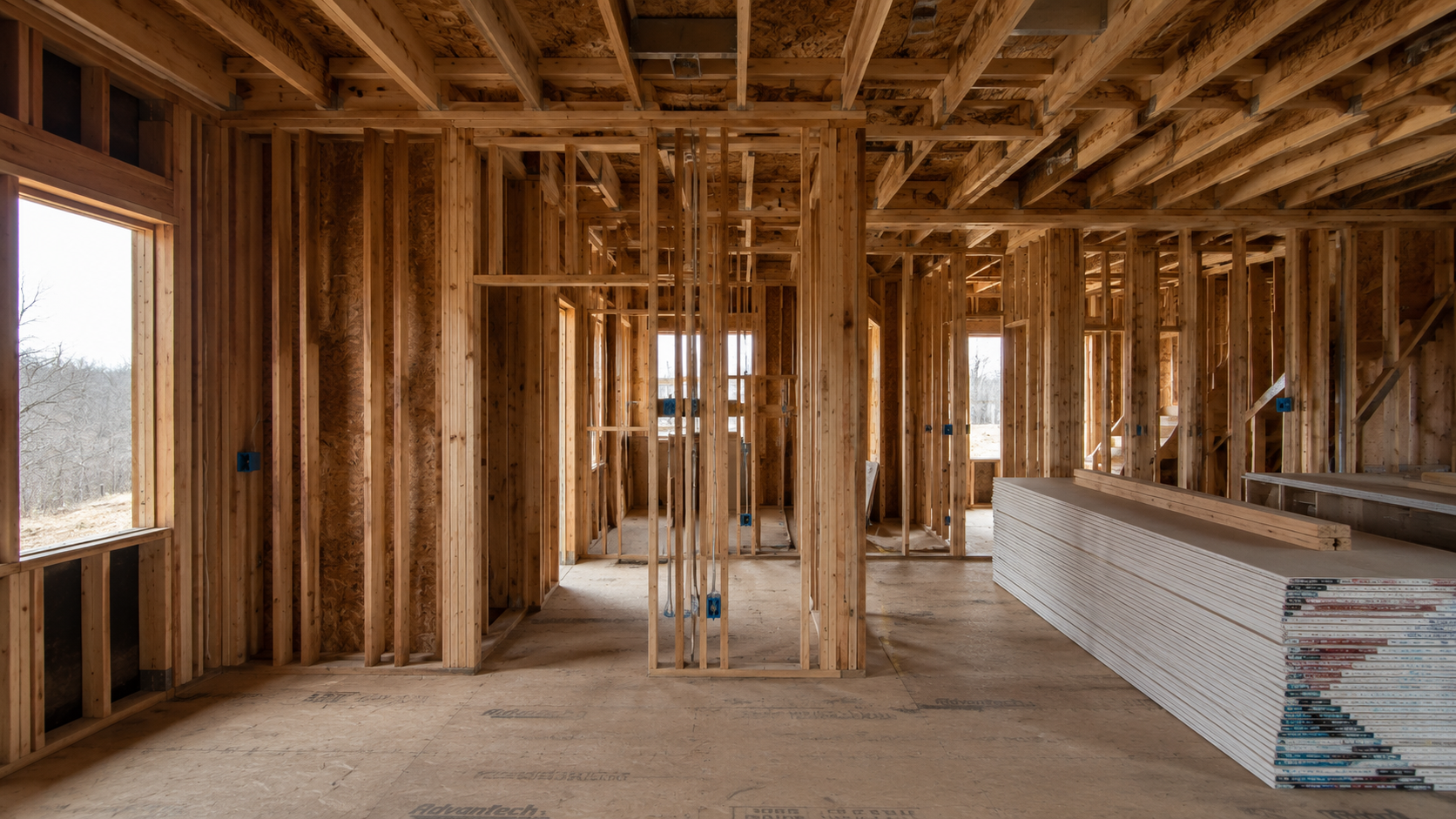
But a Pinterest board is a collection of finished photographs, and what those photographs don't show is the eighteen months of decisions, delays, substitutions, site problems, and budget negotiations that preceded the moment someone pointed a camera at the room. The image is the destination. It has nothing to say about the road.
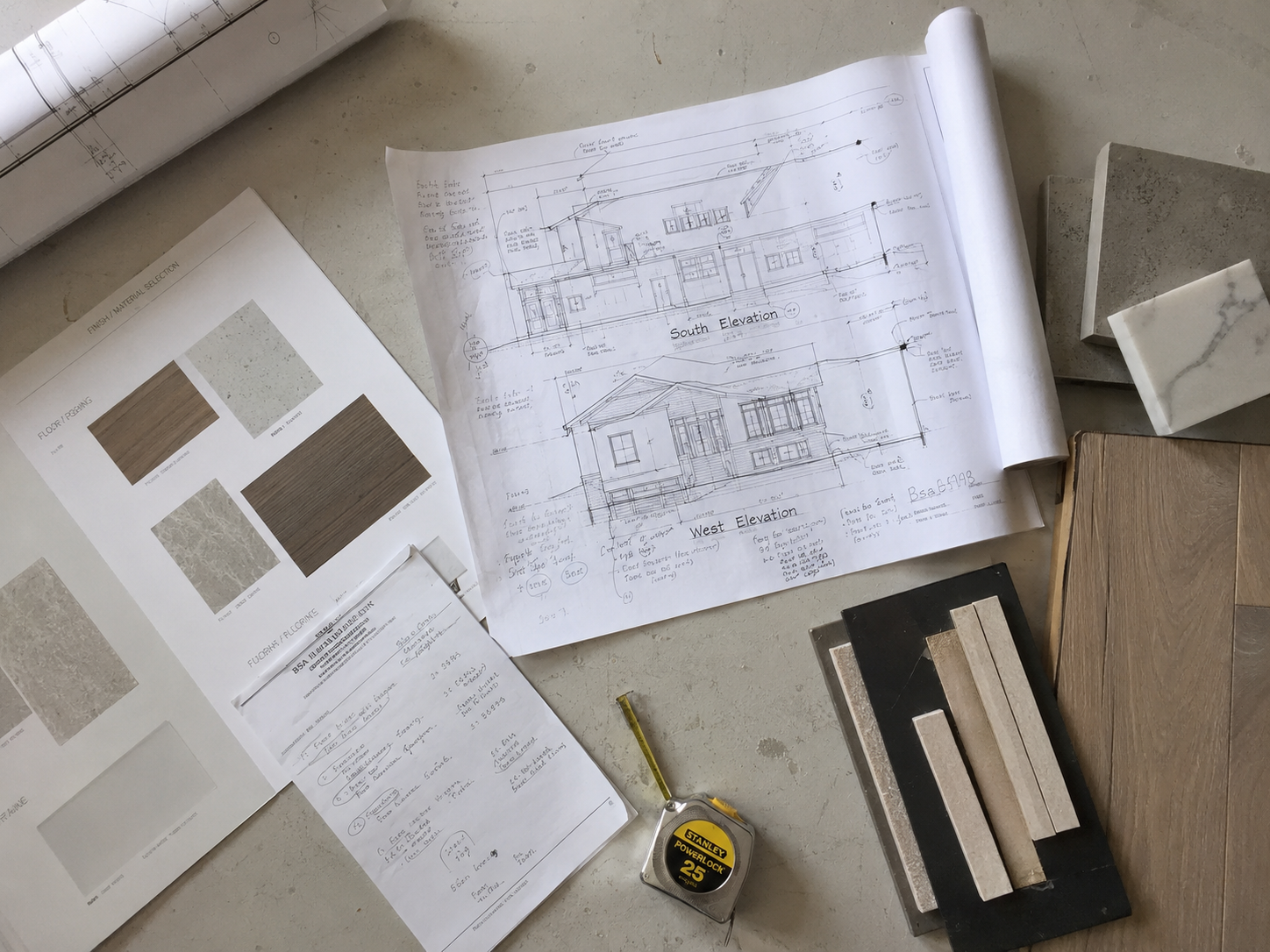
Design is the process of translating what you want into a set of decisions that a contractor can execute without guessing. Drawings. Specifications. Material selections confirmed and priced and ordered with lead times accounted for. Details that resolve the problems a contractor will absolutely encounter if nobody thought about them in advance. That work takes time, and it takes time regardless of how good your deck is, because the deck describes the outcome and the drawings describe how to build it. Those are different documents and one cannot replace the other.
When design gets compressed, the compression doesn't disappear. It relocates. It shows up on site as questions that should have been answered in the drawing set. As change orders that could have been decisions. As delays while everyone waits for something that should have been specified three months earlier. The time doesn't go away. It just gets more expensive when it arrives.
On the People Who Promise Faster
We want to be generous here because we think there are genuinely a few different things happening when a contractor or a design-build firm tells a client they can do the job in half the time you've been quoted.
Some of them actually believe it. They have done smaller projects, simpler projects, projects where the scope was clear and the client was flexible and nothing went wrong, and they have extrapolated from that experience to a scope that is categorically different. That's not dishonesty. That's the kind of optimism that is genuinely destructive because it costs the client real money and real time while the person who promised the number spends the back half of the project explaining why the original timeline was never realistic.
Some of them know the number is wrong and they're betting that once they have the job, the client is committed and the conversation about the actual timeline can happen later. We've watched this play out on projects where the client chose the faster promise and spent the next year living through a renovation that took longer than the reputable firm's honest estimate and produced a result that required someone else to come in and fix. The faster promise turned out to be the slower and more expensive outcome. It usually does.
The timeline a good contractor gives you accounts for the reality of how construction actually works: sequencing, trades availability, lead times on materials, the problems that are inside every wall until someone opens the wall. A contractor who has been doing serious work for a long time knows what they don't know yet, and they build that into the schedule. A contractor who promises a faster schedule is often telling you more about their sales process than their construction process.
The Design-Build Conversation We Need to Have
There is a category of firm operating in this market right now that we want to address directly, and we're going to do it without naming names because the point is the pattern, not the players.
A contractor who hires a junior designer, a kitchen CAD drafter, or a family member with taste to do the design side of a project is not a design-build firm. They are a builder with a design sub, and those are genuinely different things. The design-build model, when it actually works, integrates design and construction intelligence from the beginning of the project. The design decisions inform the build methodology. The construction knowledge shapes the design. The client gets a single point of accountability and a process where both sides of the work are actually talking to each other.
What a lot of clients are actually getting when they sign with someone who calls themselves design-build is a builder who controls the process, keeps the design budget, and uses a designer who is answerable to the builder rather than to the client. The design, in that structure, is not independent. It is not advocacy for the client's interests. It is a service that the builder is providing at a margin, with a designer who knows their job is to make the builder's life easier, not to push back when a material substitution is about cost rather than quality.
We are a design studio. We work with builders. We are not a build-and-design firm any more than a builder who subs out to a junior designer is a design-build firm. The distinction matters because it determines who is actually working for you.
A designer who is independent of the contractor can tell you when something is wrong. A designer who is employed by the contractor has a conflict of interest that runs through every single decision they make on your project. You are entitled to know which one you have.

What a Realistic Timeline Actually Gives You
Nine or ten months sounds like a long time when you're standing in a space you're ready to change. We get that. We've lived through renovations and we know what it costs emotionally to be patient about something you have to look at every day while it's still wrong.
But a realistic timeline is not a slow timeline. It is a timeline that includes the time required to make good decisions before construction starts, which is the only time when decisions are still free. Once a wall is open, every unmade decision has a price attached to it. The sixteen weeks of design are not delay. They are the period when the project gets built on paper, where a mistake costs a revision rather than a change order.
The clients who come through a nine or ten month process with the result they actually wanted are almost always the ones who were present in the decision-making, patient about the sequence, and honest with us when something wasn't right. The clients who end up disappointed are almost always the ones who were promised a faster outcome by someone who didn't hold that promise, or who tried to compress the process and discovered that the compression had to come from somewhere.
Good design is not slow. It is correctly paced. There is a difference, and it shows in the finished room.